Why Independent Pop Artists Matter Now
A great pop record can reach a listener in Los Angeles, Sydney, or Nashville within seconds of release. That access has changed the stakes for independent pop artists. They no longer need permission from a traditional gatekeeper to present a fully realized sound. They do, however, need more than a catchy chorus. They need a point of view that holds up after the first stream.
The most compelling independent releases feel intentional from the opening texture to the final lyric. They pair immediate hooks with an identity listeners can recognize, whether that identity leans into synth-driven atmosphere, polished mainstream pop, country-rooted storytelling, or a combination that refuses easy categorization. Independence is not simply a business model. At its best, it is creative control with a clear destination.
Independent Pop Artists Are Building Their Own Lanes
Pop has always borrowed freely. A drum pattern can come from dance music, a vocal melody can carry country warmth, and a cinematic synth line can turn a personal lyric into something expansive. For independent artists, that flexibility is an advantage. A song does not have to fit one radio format before it is allowed to exist.
That freedom creates a higher bar for taste. Genre blending works when the elements serve the song rather than compete for attention. A country-inflected lyric about regret can feel even more immediate over modern pop production. A bright synth-pop track can gain emotional weight from an unguarded vocal. The goal is not to collect influences. It is to make them sound inevitable together.
Listeners are increasingly comfortable with this approach because discovery is driven by mood, repeat value, and emotional connection as much as category. A playlist listener may arrive for a driving pop track, then stay for the writing. A fan who values country storytelling may connect with a production style that feels fresh without losing its human center. This gives independent recording artists room to create music for people, not just for a narrow genre label.
A polished sound still needs a human center
Technology has made professional-quality music more accessible, but access alone does not create a memorable record. Premium sonic experiences begin with decisions: which lyric deserves to be repeated, where the production should pull back, and when a vocal should sound close enough to feel like a private thought.
AI-assisted production belongs in that decision-making process when it supports the artist's vision. It can accelerate experimentation, help shape arrangement ideas, and expand the palette available to an independent creator. It should not flatten personality. The listener still responds to the specific emotional choices in the song: the tension before the chorus, the detail in a verse, the imperfect edge that makes a vocal believable.
The conversation around AI often becomes too simplistic. It is neither a shortcut to artistry nor a threat to every form of artistry. Like synthesizers, sampling tools, and digital recording before it, it is a creative technology. Its value depends on the intention behind it. For an artist with a strong sonic identity, AI-assisted production can help turn ambitious ideas into finished music without sacrificing control.
The New Release Is More Than a Song
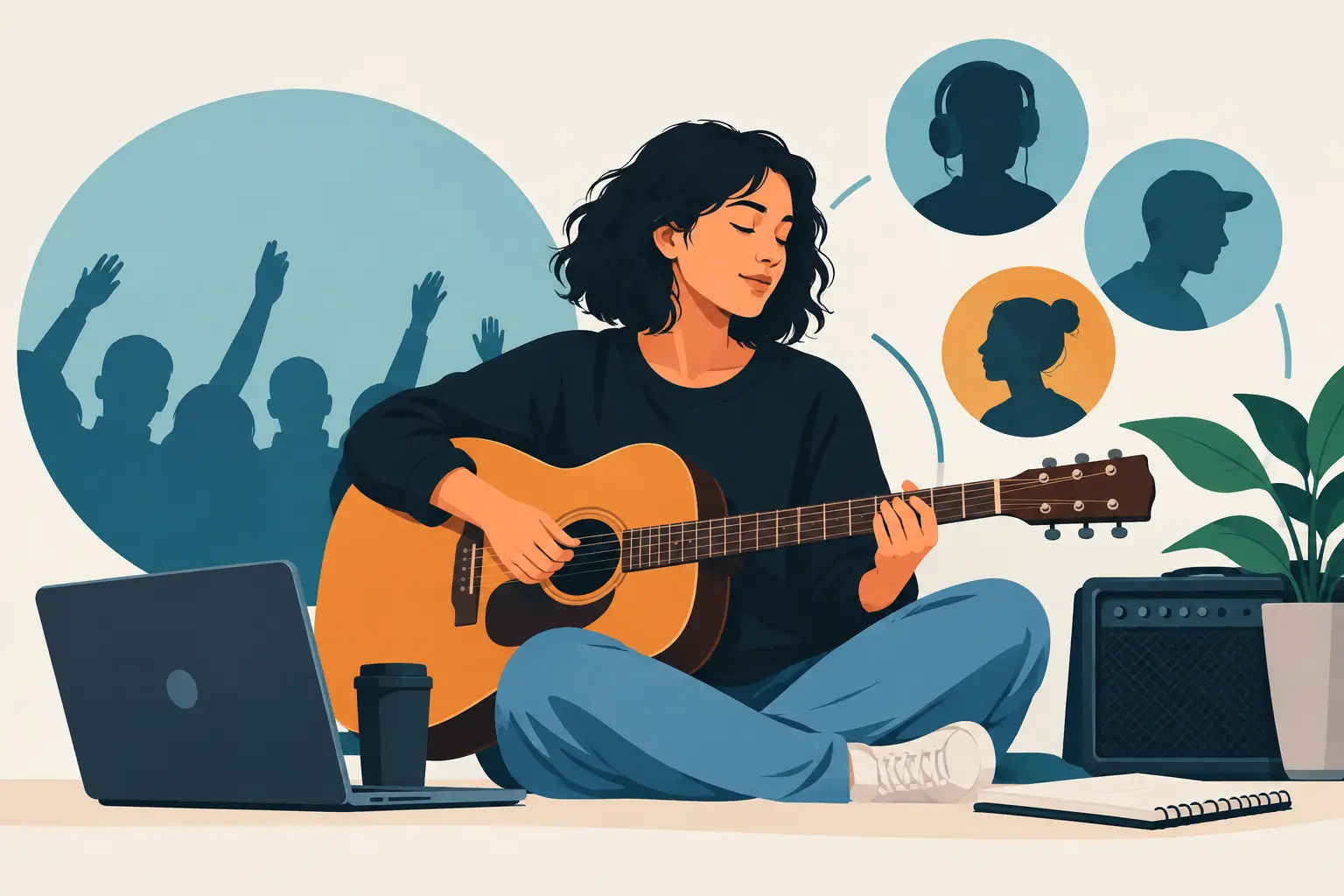
For independent pop artists, releasing music is also an act of world-building. The track is the center, but the surrounding experience tells listeners what the artist stands for. Visual language, short-form video, artist updates, behind-the-scenes moments, and direct communication all create context around the music.
That does not mean every release needs an elaborate campaign. Sometimes a direct clip of the chorus and a confident visual are enough to invite discovery. Other songs benefit from a slower rollout that lets the story breathe. The right approach depends on the song, the audience, and the artist's capacity to show up consistently.
Consistency matters more than constant noise. Releasing every week without a clear standard can make music feel disposable. Waiting indefinitely for the perfect moment can make an artist invisible. A more durable rhythm is to release when the record is ready, then give it enough attention to find its listeners. Each song should have time to earn a place in someone's routine.
Streaming platforms remain essential because they offer global discovery at scale. But the deeper opportunity sits beyond the stream. An artist-owned website, a shop, and direct fan communication create a relationship that is not dependent on one platform's algorithm. A listener who chooses to follow an artist more closely is making a different kind of commitment. They are not only consuming a track. They are joining an ongoing creative story.
What Listeners Can Expect From Independent Pop
The strongest independent pop is not defined by lower budgets or outsider status. It is defined by focus. Listeners can expect songs that take risks major-label cycles may overlook, along with production that can stand comfortably beside the biggest releases in a playlist.
They can also expect more proximity. Independent artists can respond to audience energy quickly, share the creative process with greater honesty, and shape releases around a real community rather than a distant marketing plan. That closeness is valuable, but it needs boundaries. Fans want access to the artist's world, not a manufactured sense of intimacy that exhausts the person making the music.
There is a trade-off in independence. Creative autonomy means more responsibility for decisions that larger teams might otherwise handle: release strategy, visuals, metadata, promotion, fan communication, and long-term catalog planning. Not every independent artist wants to do every job, nor should they. The most sustainable path often includes selective collaborators who understand the vision and strengthen it without taking it over.
For the listener, that work is largely invisible when it is done well. What remains is the feeling of finding a record that sounds considered, current, and personal. A song becomes part of a commute, a late-night drive, a celebration, or a hard week. That is the real measure of reach.
A Global Sound Can Still Feel Personal
A global audience does not require generic music. In fact, the opposite is usually true. Songs travel because they contain something particular: a phrase that lands at the right moment, a vocal that carries conviction, or a sound that makes the listener stop scrolling. Specificity gives a track its passport.
Michael Joseph Australia approaches that space with a deliberate blend of synth-pop, mainstream pop, and country influence, shaped through AI-assisted production and a listener-first standard for finish. The aim is not to choose between polish and authenticity. It is to create contemporary music where both can exist in the same three-minute world.
For fans, supporting independent music can be as simple as returning to a song, saving it, sharing it with someone who will understand it, or following the artist beyond a single platform. Those actions help good music travel, but they also signal what listeners want more of: songs with personality, ambition, and a reason to come back.
The next favorite artist may not arrive with a massive campaign or a familiar label behind them. They may arrive through one perfectly timed track that feels made for your headphones. Give it a second listen. The artists building their own lanes are often making the music that stays.


Comments